Hove Shockwave Blog





Shoulder Pain and Rotator Cuff Problems in Hove: What’s Causing It and How Shockwave Therapy Can Help
By Dr. Lewis Kingsnorth DC MChiro — Certified Shockwave Specialist at Hove Shockwave | Published June 2026 | 8 minute read
Shoulder pain is one of the most common musculoskeletal complaints we see at Hove Shockwave — and one of the most undertreated. People put up with it for months, sometimes years, managing with painkillers and rest, having steroid injections that wear off, or being told their only option is surgery.
The reality is that many cases of chronic shoulder pain — particularly those involving the rotator cuff — respond very well to shockwave therapy. For one specific condition, calcific tendinitis, focused shockwave therapy can achieve something no other non-surgical treatment can: it physically breaks down the calcium deposits that are causing the pain.
This article explains the most common causes of shoulder pain, how the rotator cuff works, why problems develop, and why shockwave therapy at Hove Shockwave is one of the most effective routes to lasting relief for patients across Brighton, Hove, and East Sussex.
Understanding the Rotator Cuff
The rotator cuff is a group of four muscles and their tendons that surround the shoulder joint, connecting the upper arm bone (humerus) to the shoulder blade (scapula). Together, they stabilise the shoulder and control the wide range of arm movements we take for granted — reaching overhead, rotating the arm, lifting, throwing.
Because the shoulder is the most mobile joint in the body, it is also one of the most vulnerable. The tendons of the rotator cuff pass through a narrow space beneath the top of the shoulder blade (the acromion), and any swelling, structural change, or degeneration in that space can quickly create pain and restricted movement.
The four rotator cuff muscles are:
• Supraspinatus — runs across the top of the shoulder; most commonly involved in pain and tears
• Infraspinatus — at the back of the shoulder; involved in external rotation
• Teres minor — assists infraspinatus in rotating the arm outward
• Subscapularis — at the front of the shoulder; controls internal rotation
Rotator cuff problems are not one single condition — they are a spectrum, from mild tendon irritation through to full thickness tears. Understanding which part of the spectrum you are on determines the most appropriate treatment.
Common Causes of Rotator Cuff and Shoulder Pain
At Hove Shockwave, we see patients with shoulder pain from a wide range of backgrounds — tradespeople, office workers, gym users, swimmers, and people whose shoulders have simply worn down over time. The most common presentations we treat include:
Rotator Cuff Tendinopathy
Tendinopathy refers to degeneration and chronic irritation of the tendon, typically caused by repetitive loading or overuse. The supraspinatus tendon is most commonly affected. Pain is felt at the outer shoulder and often radiates into the upper arm, typically worsening with overhead activity, reaching behind the back, or sleeping on the affected side.
When tendinopathy is left unaddressed for months or years, the tendon enters a state of chronic failed healing — it is no longer actively repairing itself, and conventional anti-inflammatory treatments become progressively less effective. Shockwave therapy is specifically designed to break this cycle.
Calcific Tendinitis
Calcific tendinitis is a distinct and often particularly painful condition in which calcium deposits form within one or more of the rotator cuff tendons — most commonly the supraspinatus. The deposits can range from chalky paste to hard, stone-like material, and at certain stages of their development they cause severe, often debilitating pain that comes on quickly and can be intense enough to prevent sleep or any arm movement.
This is where shockwave therapy, and in particular focused shockwave, has its most remarkable results. Focused shockwave generates precise, high-energy acoustic pulses that physically fragment and dissolve calcium deposits within the tendon — achieving without surgery what no injection or exercise programme can do. Once the calcium is broken down, the body can resorb it naturally, the tendon heals, and the pain resolves.
A 2024 systematic review and meta-analysis of 21 randomised controlled trials confirmed that ESWT produces clinically significant improvements in pain and function in patients with calcific tendinitis, with focused high-energy shockwave producing the strongest results.
Subacromial Impingement
Impingement occurs when the soft tissue structures within the subacromial space — the tendons and bursa — are compressed between the humeral head and the acromion, typically during overhead movement. It is a common cause of the painful arc — pain that occurs between roughly 60 and 120 degrees of arm elevation. Shockwave therapy can effectively reduce the tendon and bursal inflammation driving this problem.
Partial Rotator Cuff Tears
Partial thickness tears — where the tendon is damaged but not completely severed — are common, particularly in people over 40, and can cause significant pain and weakness. Many partial tears are suitable for conservative management including shockwave therapy, which promotes tissue repair and can meaningfully improve symptoms in patients who are not surgical candidates or who wish to exhaust non-invasive options first.
Post-Injection or Post-Physiotherapy Plateau
Many patients arrive at Hove Shockwave having already had one or more steroid injections and a course of physiotherapy. They may have improved temporarily but hit a plateau — the pain has returned, the shoulder is still restricting their life, and they have been told surgery is the next step. For many of these patients, shockwave therapy achieves what previous treatments could not.
How Shockwave Therapy Treats Shoulder and Rotator Cuff Pain
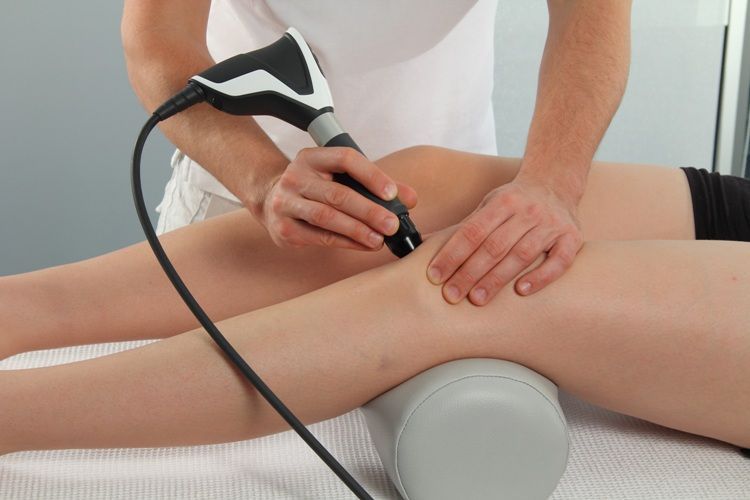
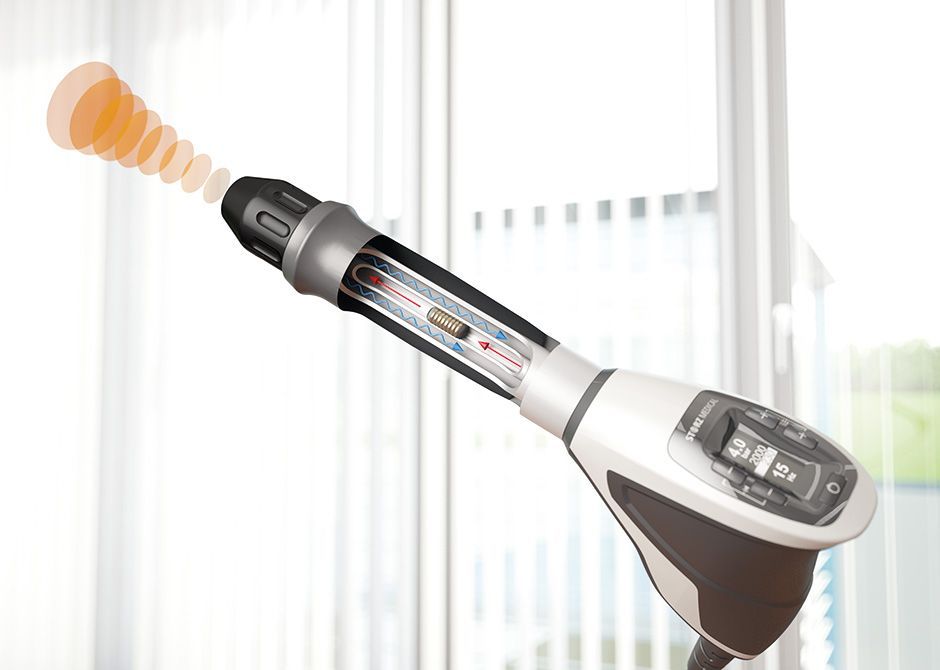
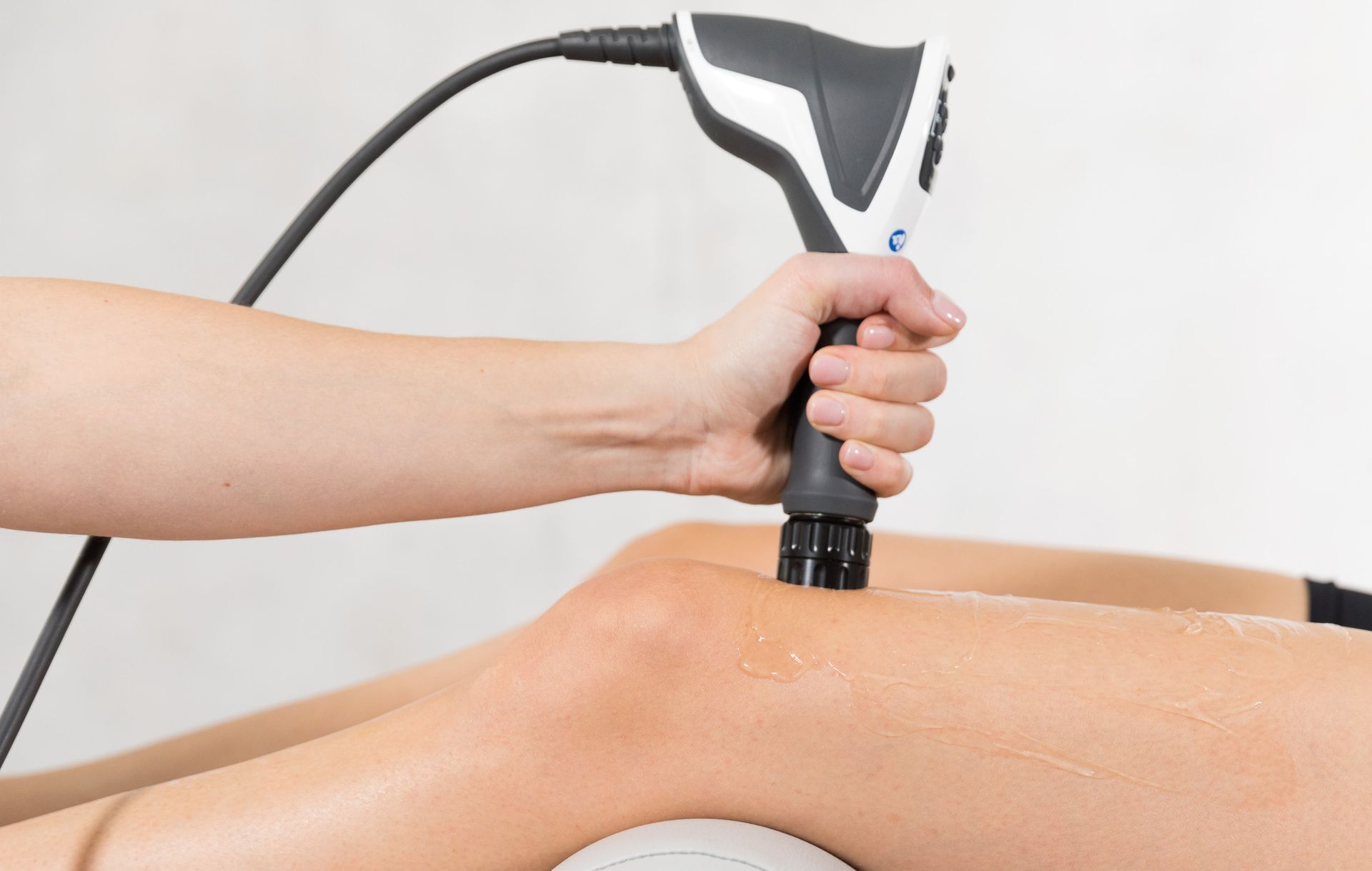
Shockwave therapy uses focused or radial acoustic energy delivered through the skin to the affected tendon and surrounding tissue. There are no injections, no incisions, and no general anaesthetic. At Hove Shockwave we offer all three types of shockwave technology — focused, radial, and EMTT — and we match the right technology to your specific diagnosis.
Focused shockwave for calcific tendinitis:
This is where focused shockwave is at its most powerful. The high-energy pulses are directed precisely at the calcium deposit, fragmenting and dissolving it over the course of three to five sessions. For patients who have been told surgery is the only option for their calcification, this is often a genuine game-changer. We have on-site digital X-ray to confirm the presence, size, and location of calcium deposits before treatment begins.
For tendinopathy and impingement:
Shockwave therapy triggers the biological processes needed to restart stalled tendon healing: collagen synthesis, neovascularisation (new blood vessel formation), stem cell activation, and the dissolution of scar tissue and micro-calcifications. It also has a direct pain-relieving effect through modulation of nerve fibres in the treated area. The result is tissue that moves from a chronic, non-healing state back into active repair.
EMTT for deeper structures:
For patients with shoulder problems involving deeper structures — or for those who find conventional shockwave uncomfortable around the shoulder — we also offer EMTT (Extracorporeal Magnetotransduction Therapy). EMTT uses high-intensity magnetic pulses that penetrate significantly deeper than radial shockwave and is completely touch-free and painless. We are one of fewer than 30 clinics in the UK offering this technology, and it is particularly effective for inflammatory conditions, arthritis, and cases where precise shockwave targeting is challenging.
What Does the Evidence Say?
The research on shockwave therapy for shoulder and rotator cuff conditions is substantial and broadly positive, particularly for calcific tendinitis.
A 2024 meta-analysis reviewing 21 randomised controlled trials found that ESWT produces clinically significant improvements in both pain and shoulder function compared to sham treatment at 24 weeks, with high-energy focused shockwave producing the strongest results for calcific disease.
A separate 2024 systematic review and meta-analysis found that ESWT significantly reduces pain in rotator cuff tendinopathy — both calcific and non-calcific — with meaningful functional improvements across outcome measures.
For patients with calcific tendinitis in particular, focused shockwave therapy is now widely regarded by musculoskeletal specialists as the treatment of choice before surgical intervention is considered. The evidence consistently shows high rates of calcium resorption and sustained pain relief at 12-month follow-up.
Why Has My Shoulder Pain Become Chronic?
A question we hear often. The honest answer is that tendons heal slowly and poorly. They have a limited blood supply, and when they are repeatedly loaded without adequate recovery time, they enter a state of failed healing — a condition called tendinopathy — where the tissue is disorganised and not actively repairing.
Standard advice — rest, ice, anti-inflammatories — is most appropriate in the acute phase of injury. Once a tendon has become chronically symptomatic, these approaches are often insufficient because inflammation is no longer the primary driver of pain. What the tissue needs is a stimulus to restart the repair process. That is precisely what shockwave therapy provides.
Steroid injections can provide useful short-term pain relief, but they do not address the underlying tissue pathology and carry risks with repeated use, including tendon weakening. Many patients find that each injection provides a shorter period of relief than the last. Shockwave therapy addresses the structural problem rather than suppressing symptoms.
Who Gets Rotator Cuff Problems?
We see shoulder pain in patients of all ages and backgrounds. Common presentations include:
Overhead athletes and gym users: Swimmers, tennis players, weightlifters, and CrossFit enthusiasts place high repetitive loads through the shoulder. Rotator cuff tendinopathy is an occupational hazard of high-volume overhead training.
Tradespeople: Painters, plasterers, electricians, and carpenters who work with their arms overhead or in sustained overhead positions for hours at a time are disproportionately affected.
Office workers: Poor desk posture and prolonged sitting can contribute to shoulder and neck muscle imbalances that increase load on the rotator cuff.
Adults over 40: The risk of both tendinopathy and calcific tendinitis increases significantly with age, as tissue repair capacity declines and cumulative wear accumulates.
Those with previous shoulder injuries: Prior injuries, including dislocations or partial tears, alter shoulder mechanics and increase the risk of secondary tendon problems.
Treatment at Hove Shockwave: What to Expect
Every patient at Hove Shockwave begins with a thorough clinical assessment. Dr. Lewis Kingsnorth DC MChiro will take a detailed history, examine your shoulder, and — where indicated — use our on-site digital X-ray to assess for calcification, structural changes, and other pathology. We also have access to MRI for cases that require it.
This assessment is not a box-ticking exercise. It determines exactly what is driving your shoulder pain and whether shockwave therapy — and which type — is the most appropriate approach for your specific presentation. Not all shoulder pain is the same, and treatment should reflect that.
A typical course of treatment for shoulder and rotator cuff pain:
• Thorough initial assessment including clinical examination and X-ray where appropriate
• Three to five shockwave sessions for most presentations, spaced approximately one week apart
• Focused shockwave for calcific tendinitis; radial or focused for tendinopathy and impingement
• EMTT available as an adjunct or standalone for appropriate cases
• Each session lasts approximately 15 to 20 minutes
• No injections, no surgery, no downtime — most patients can continue normal daily activities throughout
• Rehabilitation guidance and exercises prescribed alongside treatment
Results vary by presentation, but many patients with shoulder tendinopathy notice meaningful improvement within two to three sessions. Calcific tendinitis — particularly in the later stages of calcium development — can respond even faster, with dramatic pain reduction sometimes occurring after the first or second treatment as the calcium begins to fragment.
Frequently Asked Questions
Can shockwave therapy treat a rotator cuff tear?
It depends on the nature and severity of the tear. Partial thickness tears can respond well to shockwave therapy, which promotes tendon repair and reduces associated pain and inflammation. Full thickness tears — where the tendon is completely severed — typically require surgical repair, though shockwave may have a role in prehabilitation or post-surgical recovery. We will assess your shoulder thoroughly and give you an honest picture of what is likely to be achievable.
Is shockwave therapy painful on the shoulder?
The shoulder can be a sensitive area, and some patients find the treatment more uncomfortable than in other body regions, particularly around the front of the shoulder. We adjust the treatment parameters to your tolerance, and any discomfort during the session settles quickly afterwards. For patients who find conventional shockwave too uncomfortable, EMTT — which is completely painless and touch-free — is an excellent alternative.
I’ve been told I need shoulder surgery. Should I try shockwave first?
For many shoulder conditions — particularly calcific tendinitis and tendinopathy — yes, it is well worth trying shockwave therapy before committing to surgery. The evidence supports shockwave as a genuine first-line intervention for these conditions, and many patients who come to us having been listed for surgery find that they no longer need it after a course of treatment. We will always be honest about whether your presentation is likely to respond to shockwave or whether surgical referral is genuinely the more appropriate route.
How long will results last?
For calcific tendinitis, once the calcium has been resorbed, the results are typically permanent — the deposits do not regrow. For tendinopathy, the durability of results depends partly on addressing the underlying load and lifestyle factors driving the condition. We provide rehabilitation guidance alongside treatment to help you maintain your improvement long term.
Do I need a referral?
No GP referral is needed. You can book directly with Hove Shockwave for an initial assessment.
Why Choose Hove Shockwave for Shoulder Pain?
Shoulder pain is one of the more technically demanding presentations in shockwave therapy. Getting the right diagnosis, matching the right technology to the pathology, and delivering treatment accurately requires both expertise and the right equipment.
At Hove Shockwave, Dr. Lewis Kingsnorth is a certified shockwave specialist with nearly 20 years of clinical experience. We have on-site digital X-ray to confirm calcific deposits and assess shoulder pathology before treatment begins. We offer all three shockwave modalities — focused, radial, and EMTT — which means we can genuinely match the most appropriate technology to your diagnosis rather than applying a one-size approach.
We are one of fewer than 30 clinics in the UK offering EMTT, and Brighton and Hove’s most advanced shockwave clinic. Patients come to us from across Hove, Brighton, Worthing, Lewes, and the wider East and West Sussex area — many having already tried other routes without lasting success.
Suffering from Shoulder Pain? Let’s Talk.
If your shoulder has been holding you back — whether it’s a dull ache that won’t shift, a sharp pain with overhead movement, or a calcific tendinitis that has made life miserable — there is a very good chance shockwave therapy can help.
Book your initial assessment at Hove Shockwave today. No referral needed.
01273 324466 — hove-shockwave.co.uk]
Hove Shockwave is a specialist shockwave therapy clinic in Hove, East Sussex. Dr. Lewis Kingsnorth DC MChiro is registered with the General Chiropractic Council (GCC) and is a certified shockwave specialist. This article is for informational purposes only and does not constitute medical advice. Please consult a registered healthcare professional if you have concerns about your symptoms.
