Hove Shockwave Blog


Tennis Elbow Treatment in Brighton & Hove: Why Shockwave Therapy Works When Nothing Else Has
Tennis elbow is one of those injuries that sounds minor but can completely disrupt your daily life. Gripping a coffee mug, turning a door handle, shaking someone's hand — when your elbow is affected, even the simplest tasks become painful. And despite its name, you certainly don't need to play tennis to develop it.
If you're in Brighton or Hove and dealing with persistent elbow pain that hasn't responded to rest, ice, or physiotherapy exercises, shockwave therapy may be the treatment that finally makes the difference. Here's what you need to know.
What Is Tennis Elbow?
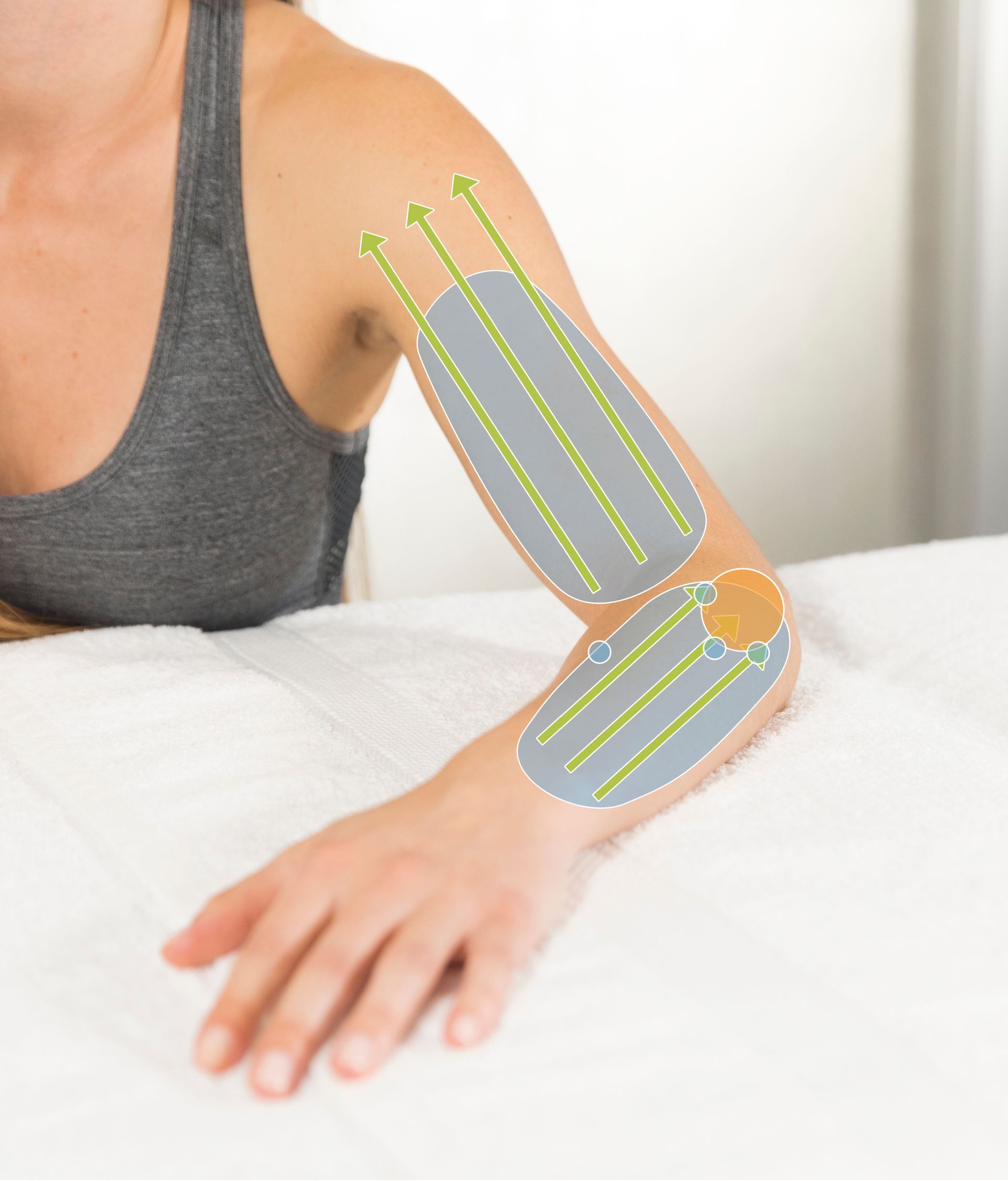
Tennis elbow — medically known as lateral epicondylitis — is a condition affecting the tendons that attach to the outer (lateral) side of the elbow. These tendons connect the forearm muscles used for gripping, twisting, and lifting to the bone at the elbow joint.
When these tendons are repeatedly strained through overuse, micro-tears develop in the tissue. Over time, the body's attempt to repair these tears leads to a build-up of disorganised scar tissue and a breakdown of the normal tendon structure. This is why doctors increasingly refer to the condition as a "tendinopathy" (a degenerative tendon problem) rather than a "tendinitis" (which implies active inflammation).
The related condition on the inner side of the elbow, known as golfer's elbow (medial epicondylitis), follows the same pattern and responds equally well to shockwave therapy.
Who Gets Tennis Elbow?
Tennis elbow is extremely common, particularly among adults aged 35 to 55. Despite the name, most cases have nothing to do with racquet sports. The most frequent causes we see at our Hove clinic include repetitive computer mouse and keyboard use, manual work involving gripping tools (plumbing, carpentry, gardening), carrying heavy bags or children, gym exercises such as pull-ups and deadlifts, and cooking and food preparation involving repetitive chopping or stirring.
Essentially, any activity that involves repetitive gripping or wrist extension can overload these tendons. Many of our patients are office workers, tradespeople, or keen home gardeners who have gradually developed the condition over weeks or months.
Why Tennis Elbow Becomes a Stubborn Problem
One of the most frustrating aspects of tennis elbow is how long it can linger. The NHS advises that it can take anywhere from six months to two years to fully resolve on its own — and some people find that it never fully settles without intervention.
The reason is the same as with plantar fasciitis and other chronic tendon conditions: the tendon tissue has a limited blood supply, and once damage becomes chronic, the body's natural repair mechanisms stall. The tissue enters a cycle of degeneration where it's no longer actively trying to heal. Rest alone won't fix tissue that has stopped healing.
This is precisely why shockwave therapy is so effective for this condition. Rather than masking the pain, it restarts the biological repair process at the cellular level.
How Shockwave Therapy Treats Tennis Elbow
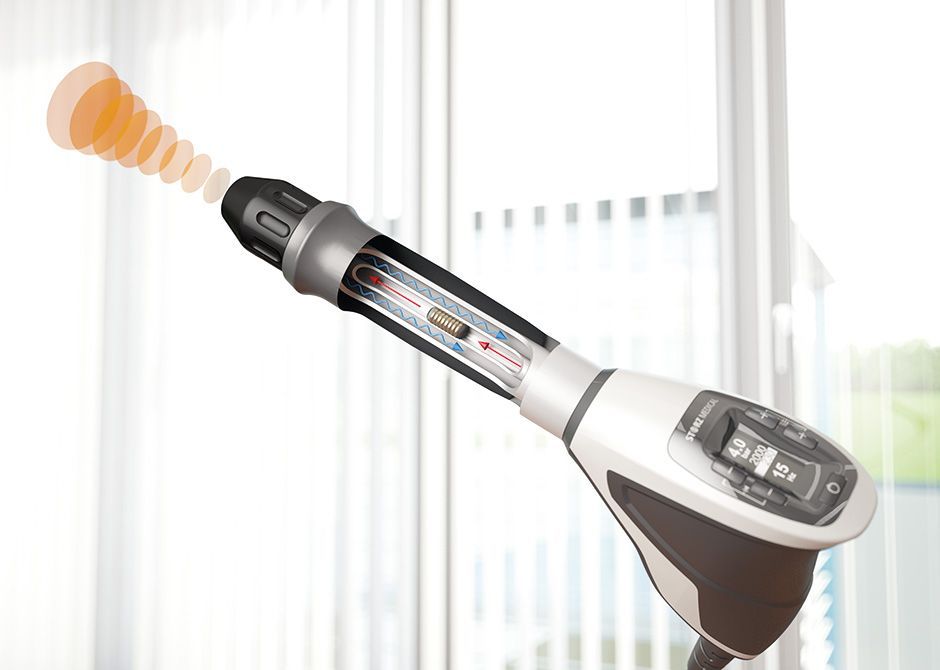
Extracorporeal shockwave therapy (ESWT) delivers focused acoustic waves into the damaged tendon tissue at the elbow. These mechanical pulses create several therapeutic effects that work together to promote healing.
The acoustic waves stimulate increased blood flow to the poorly vascularised tendon, providing the building blocks for tissue repair. They trigger the release of growth factors that promote collagen production and the formation of healthy new tendon fibres. They also help to break down calcified deposits and disorganised scar tissue, allowing the tendon to remodel with a more functional structure. Additionally, the treatment provides direct pain relief through neuromodulation — effectively dampening the overactive pain signalling that develops in chronic conditions.
Evidence: Shockwave therapy has been extensively studied for tennis elbow, with multiple randomised controlled trials demonstrating significant improvements in pain and grip strength compared to placebo. It is now widely recommended when conservative measures have failed, as a non-surgical alternative that can prevent the need for injections or surgery.
What Happens During Your Treatment
At Hove Shockwave, your first appointment begins with a comprehensive assessment by Dr Lewis Kingsnorth. This includes a detailed history of your symptoms, a physical examination of the elbow and forearm, and specific tests to confirm the diagnosis and assess the severity of the tendon damage.
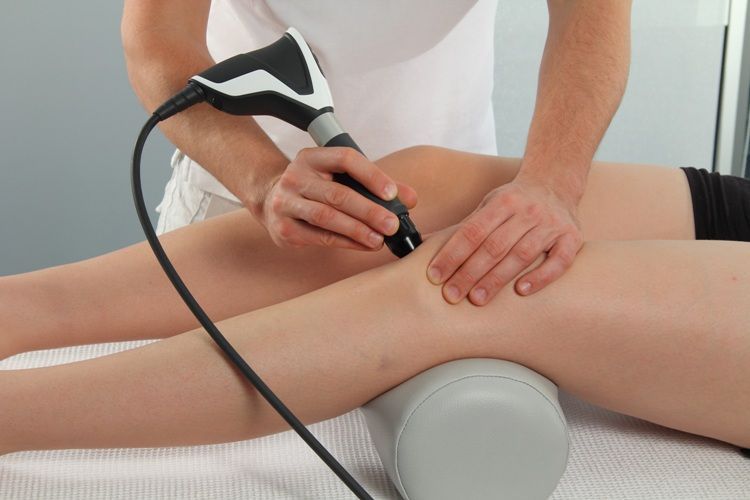
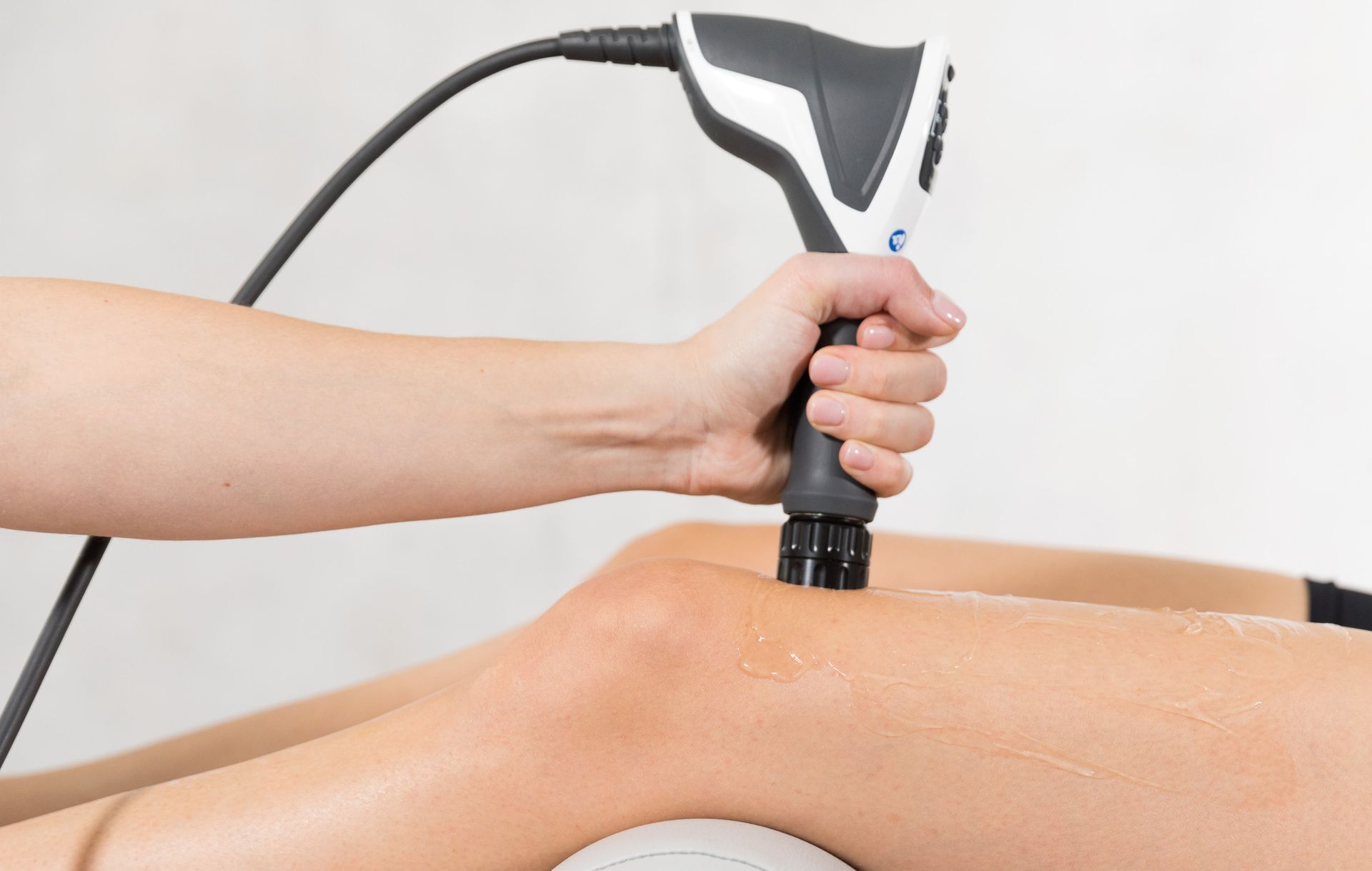
Treatment itself involves applying a small amount of coupling gel to the outer elbow and using a handheld shockwave device to deliver precisely targeted acoustic waves to the affected tendon. A typical session lasts 10 to 15 minutes. You'll feel a rhythmic tapping sensation, which can range from mild to moderately uncomfortable depending on the severity of the condition. The intensity is always adjusted to what you can comfortably tolerate.
Most patients need four to six sessions spaced one week apart. Improvement is usually gradual — many people notice that their grip strength starts returning and that daily activities become less painful within the first two to three weeks of starting treatment.
What About Injections?
Injections have traditionally been a go-to treatment for tennis elbow, but the evidence for their long-term effectiveness is increasingly poor. While an injection can provide rapid pain relief in the short term (typically two to six weeks), research consistently shows that outcomes at six and twelve months are no better — and often worse — than doing nothing at all.
This is because injections can suppress the body's natural healing response, and repeated injections can weaken the tendon tissue further. For this reason, many orthopaedic specialists now advise caution with repeated injections for tendon conditions and increasingly recommend shockwave therapy as a more effective long-term solution.
Combining Shockwave with EMTT
At Hove Shockwave, we also offer Extracorporeal Magnetotransduction Therapy (EMTT) — a complementary technology that uses high-intensity magnetic pulses to stimulate cellular repair. When combined with shockwave therapy, EMTT can enhance treatment outcomes, particularly for stubborn or severe cases of tennis elbow.
EMTT is completely painless and "touch-free," making it an excellent option for patients whose elbow is too tender for direct contact during the early stages of treatment. Dr Kingsnorth will advise whether combined treatment would be beneficial for your specific case.
Self-Care Tips Alongside Treatment
While shockwave therapy addresses the damaged tissue directly, there are practical steps you can take to support your recovery and prevent recurrence.
Avoid activities that aggravate the pain where possible — this doesn't mean complete rest, but rather modifying how you grip and lift. Using the palm of your hand rather than gripping with fingers can reduce tendon load significantly. When lifting objects, try to keep your palm facing upwards rather than downwards.
Eccentric strengthening exercises — where you slowly lower a light weight with your wrist — are well supported by research for tendon rehabilitation and can be started once your pain begins to settle. Dr Kingsnorth will provide specific exercise guidance as part of your treatment plan.
If your tennis elbow is work-related, consider ergonomic adjustments to your desk setup. A vertical mouse, a wrist rest, and regular breaks from repetitive tasks can all make a meaningful difference.
Frequently Asked Questions
How long does it take for shockwave to work on tennis elbow? Most patients notice gradual improvement over two to four weeks, with continued healing for up to three months after completing the course of treatment. Four to six sessions are typically recommended.
Should I stop using my arm during treatment? Complete rest isn't usually necessary or advisable. We recommend modifying activities to reduce strain on the tendon while continuing to use the arm normally for day-to-day tasks.
Can shockwave therapy treat golfer's elbow as well? Yes. Golfer's elbow (medial epicondylitis) affects the tendons on the inner side of the elbow and responds very well to the same shockwave treatment protocol.
Is shockwave therapy better than physiotherapy for tennis elbow? They work well together. Physiotherapy exercises support tendon remodelling and strengthening, while shockwave therapy directly stimulates the biological healing process. We often recommend combining both approaches for the best outcomes.
Struggling With Elbow Pain? If tennis or golfer's elbow has been affecting your daily life, book a shockwave assessment with Dr Kingsnorth at our Hove clinic.
Book Your Assessment — or call 01273 324466 | We accept Vitality and AXA insurance
