Hove Shockwave Blog

Achilles Tendinopathy Treatment in Brighton & Hove: How Shockwave Therapy Can Help
Why your Achilles tendon isn't getting better — and what the latest evidence says about shockwave therapy
By Dr Lewis Kingsnorth DC MChiro | Hove Shockwave | May 2026
Shockwave therapy for Achilles tendinopathy at Hove Shockwave clinic, Brighton & Hove. A non-invasive, evidence-based treatment for chronic Achilles tendon pain.
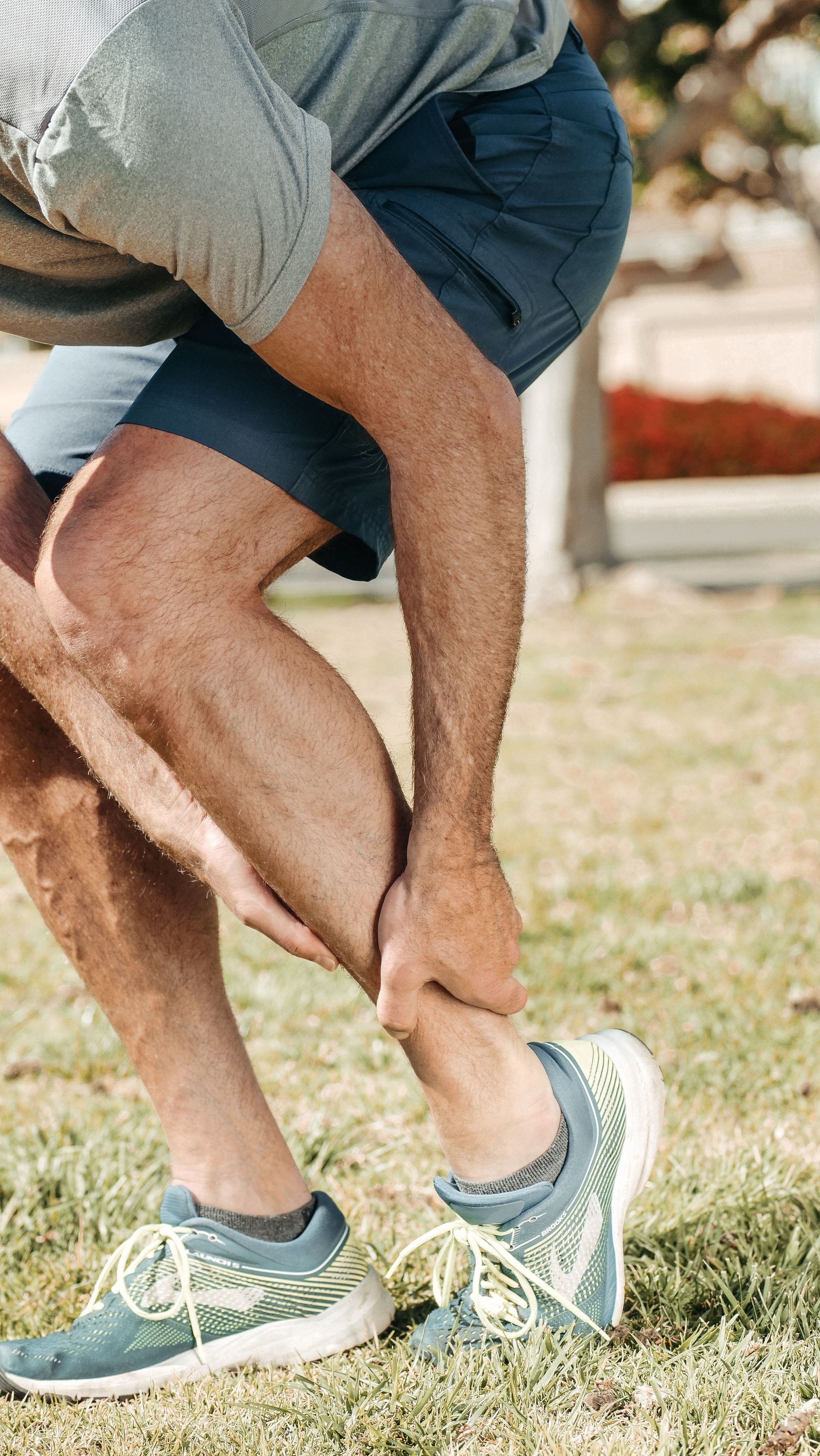
If you've been limping through your first steps in the morning, wincing when you push off to walk upstairs, or watching your running mileage drop week after week because of a nagging pain at the back of your heel, there's a good chance you're dealing with Achilles tendinopathy.
It's one of the most common overuse injuries we see at our Brighton and Hove clinic — and one of the most frustrating. The Achilles tendon is the largest and strongest tendon in the body, connecting your calf muscles to your heel bone and handling forces of up to eight times your bodyweight during running. When it starts to break down, it rarely fixes itself with rest alone.
That's where shockwave therapy comes in. At Hove Shockwave, we use extracorporeal shockwave therapy (ESWT) to treat Achilles tendinopathy without injections, without surgery, and without long periods away from the activities you enjoy.
What Is Achilles Tendinopathy?
Achilles tendinopathy is a condition where the Achilles tendon degenerates over time, usually as a result of repeated overloading. The collagen fibres that make up the tendon become disorganised and the tendon often thickens, becoming painful under load.
It's different from a sudden Achilles tear or rupture. Tendinopathy develops gradually — often over weeks or months — and tends to get worse if you try to push through it without addressing the underlying problem.
There are two main types, and the distinction matters because treatment can differ between them:
Mid-portion Achilles tendinopathy affects the middle section of the tendon, typically 2 to 6 centimetres above the heel bone. This is the most common form and is frequently seen in runners, particularly those who have recently increased their training volume or intensity.
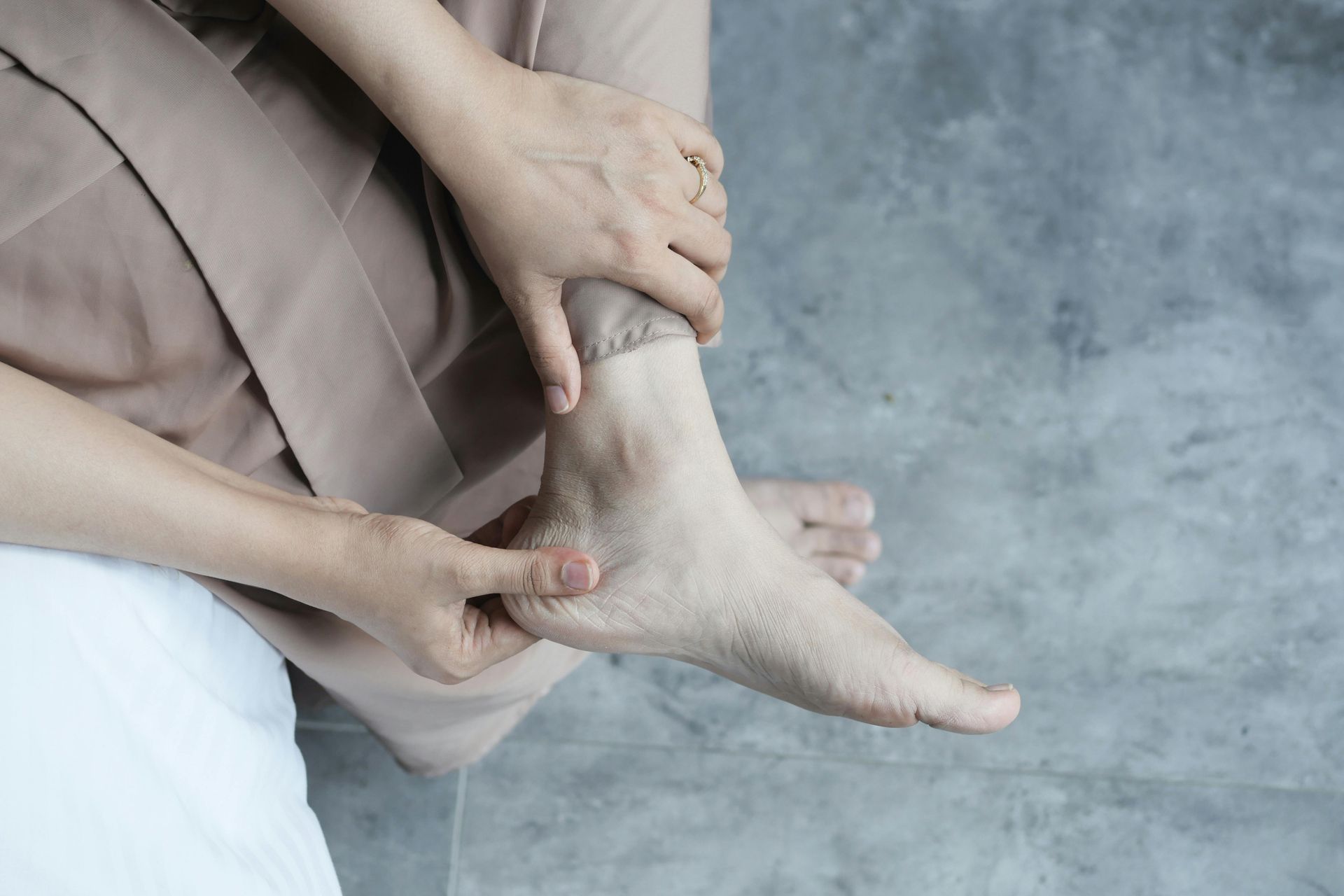
Insertional Achilles tendinopathy occurs where the tendon attaches to the heel bone itself. This type can affect both active and less active people and is often associated with a bony prominence at the back of the heel (known as a Haglund's deformity). It can be more stubborn to treat and doesn't always respond to the same rehabilitation exercises that work for mid-portion problems.
Who Gets Achilles Tendinopathy in Brighton & Hove?
Living on the south coast, we have a huge community of runners, from parkrunners at Hove Park and Preston Park to marathon trainers running along the seafront. Add in the popularity of CrossFit, Hyrox, football, and weekend hiking on the South Downs, and it's no surprise that Achilles tendon injuries are one of the most common reasons people walk through our door.
The typical risk factors include a sudden increase in training load (the "too much, too soon" pattern), a switch from supportive trainers to minimal or flat shoes, tight or weak calf muscles, returning to exercise after a long break, and spending long hours on your feet at work. Age is also a factor — the tendon's ability to cope with load naturally declines from your mid-thirties onwards, which is why Achilles tendinopathy peaks in people aged 35 to 55.
Why Rest Alone Doesn't Work
One of the most important things to understand about Achilles tendinopathy is that rest alone is rarely the answer. Unlike a muscle strain, where time off allows the tissue to repair and return to normal, a degenerative tendon doesn't simply heal when you stop using it.
In fact, prolonged rest can make things worse. Tendons need mechanical load to maintain their structure and strength. When you stop loading the Achilles completely, the tendon can weaken further, making it even more vulnerable when you try to return to activity.
This is why so many people with Achilles tendinopathy find themselves stuck in a frustrating cycle: they rest until the pain subsides, return to running or sport, and the pain comes back within days or weeks — often worse than before.
How Shockwave Therapy Treats Achilles Tendinopathy
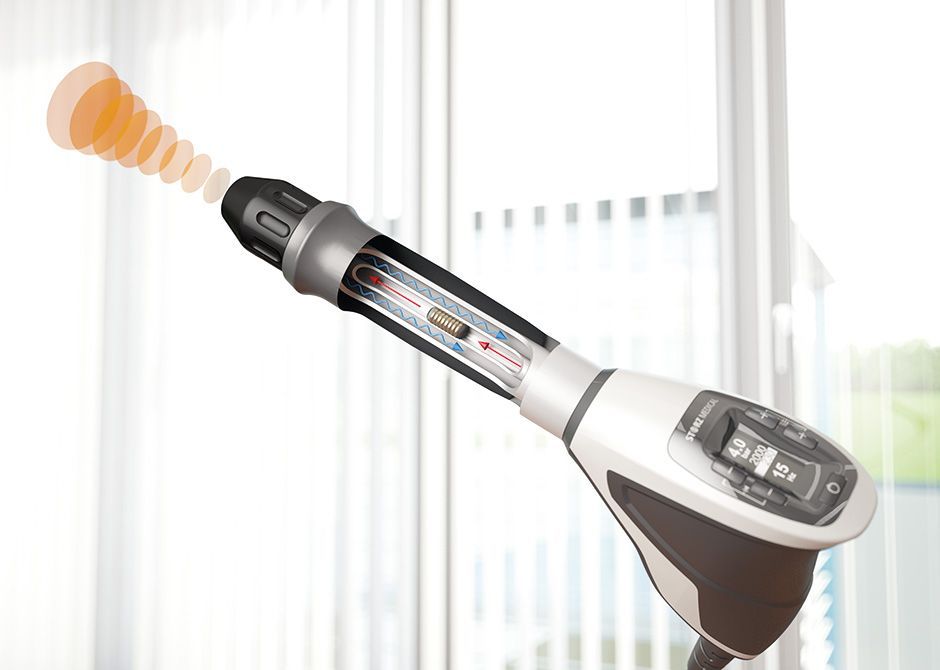
Shockwave therapy (ESWT) works by delivering controlled pulses of acoustic energy directly into the affected area of the tendon. These high-energy sound waves trigger a cascade of biological responses that promote healing from within.
The key mechanisms include stimulation of blood flow and new blood vessel formation (neovascularisation) in the tendon, which is significant because tendons have a naturally poor blood supply; activation of growth factors and stem cells that drive tissue repair and collagen remodelling; reduction of substance P, a neurotransmitter involved in pain signalling, which provides both immediate and longer-term pain relief; and breakdown of disorganised scar tissue and calcifications that may have formed within the tendon.
In practical terms, shockwave therapy kickstarts the healing process in a tendon that has stalled. It essentially converts a chronic, non-healing injury into an active repair process.
What the research says: A 2026 randomised controlled trial published in the Journal of Orthopaedic & Sports Physical Therapy examined shockwave therapy for both mid-portion and insertional Achilles tendinopathy, adding to a growing body of evidence supporting ESWT as an effective treatment option. A 2024 randomised clinical trial published in Frontiers in Neurology found that radial shockwave therapy produced significant improvements in pain and function in patients with non-insertional Achilles tendinopathy compared to both ultrasound therapy and placebo groups.
What to Expect During Treatment at Hove Shockwave
When you come in for your first appointment, Dr Kingsnorth will carry out a thorough assessment of your Achilles tendon and the surrounding structures — your calf strength, ankle mobility, foot biomechanics, and how the tendon responds to loading. This assessment is essential because it determines exactly where the shockwave needs to be targeted and what supporting rehabilitation you'll need alongside it.
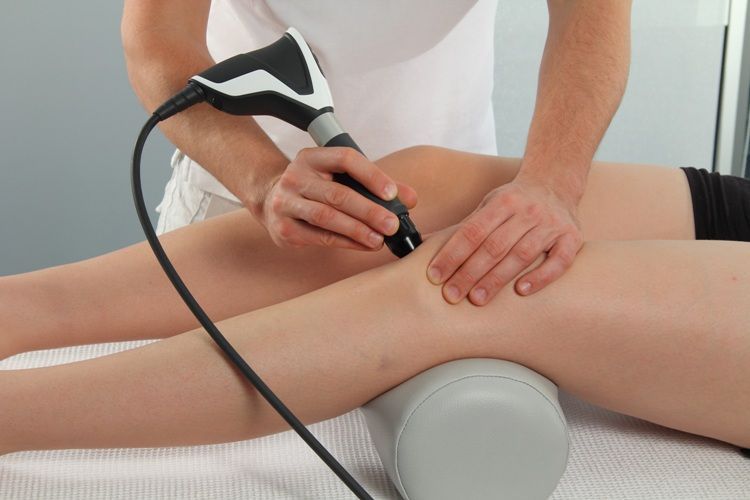
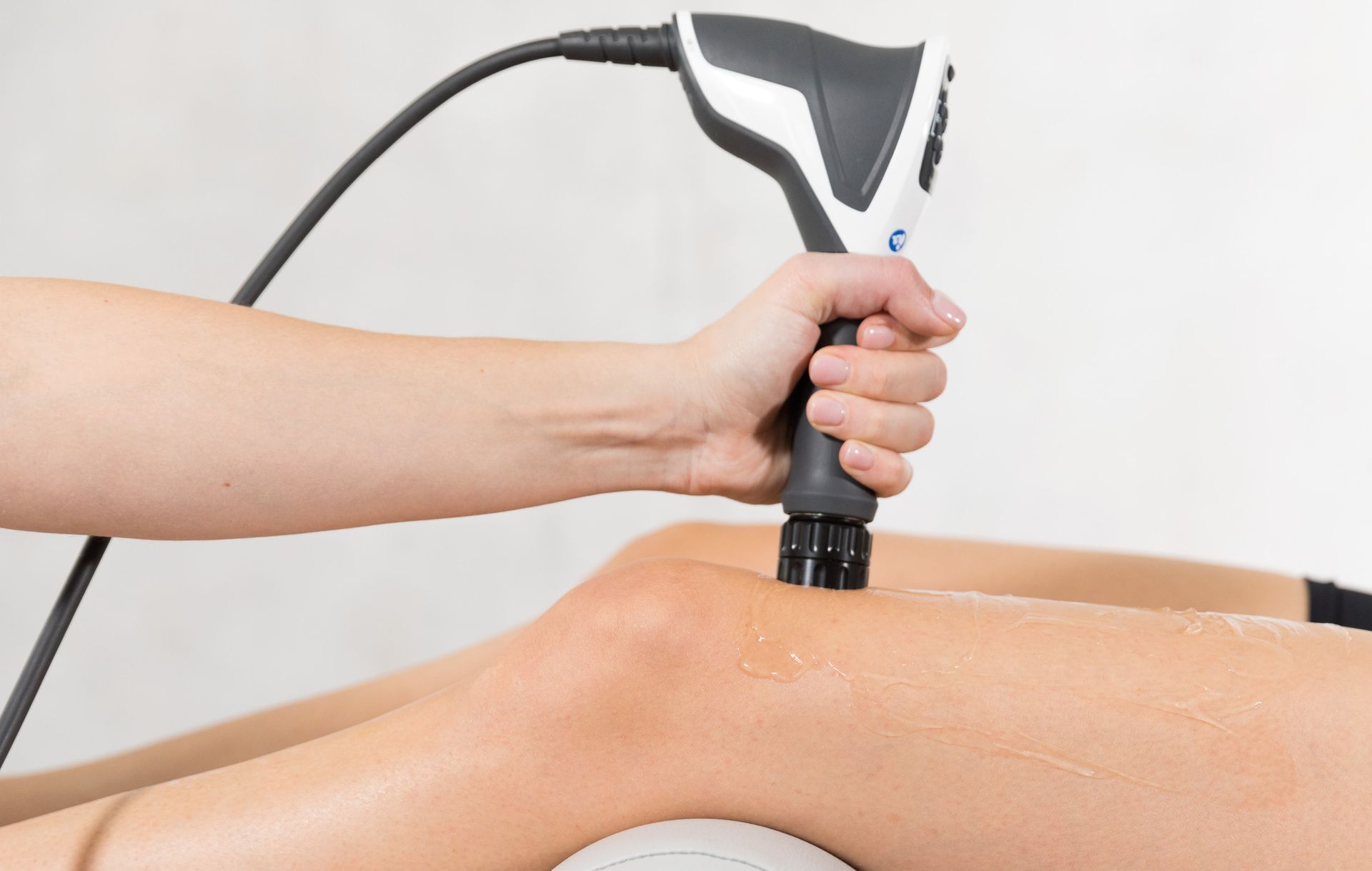
The shockwave treatment itself takes around 5 to 10 minutes. A handheld applicator is pressed against the skin over the affected area of the tendon, delivering rapid pulses of pressure. You'll feel a firm tapping sensation that can be uncomfortable over the most tender spot, but the intensity is always adjusted to your tolerance. No anaesthetic is needed and there's no downtime — most patients walk straight out and return to their normal day.
A typical course of treatment involves three to six sessions, spaced one week apart. Many patients begin to notice improvement after two or three sessions, though the tendon continues to heal and strengthen for several weeks after the final session.
Shockwave Plus Rehabilitation: The Strongest Combination
At Hove Shockwave, we don't just apply shockwave and send you on your way. Evidence consistently shows that the best outcomes for Achilles tendinopathy come from combining shockwave therapy with a structured loading programme.
This typically includes eccentric calf exercises (where the muscle lengthens under load), progressive heavy resistance training, and a gradual return-to-running plan tailored to your goals. Shockwave therapy reduces pain and stimulates healing, while the exercise programme rebuilds the tendon's capacity to handle the loads you want to put through it — whether that's running a 10k along Brighton seafront, playing five-a-side football, or simply walking to work without pain.
This combined approach reflects current best practice and gives you the strongest chance of a lasting recovery rather than a short-term fix.
Why Cortisone Injections Are Not Recommended for the Achilles
If you've been offered a cortisone injection for your Achilles tendon pain, it's worth knowing that most sports medicine specialists now advise against this. While corticosteroids can temporarily reduce pain, they are associated with tendon weakening and an increased risk of Achilles rupture — a far more serious injury that often requires surgery and months of rehabilitation.
Shockwave therapy offers a fundamentally different approach. Rather than suppressing the body's inflammatory response, it actively stimulates tissue repair. There is no risk of tendon rupture, no need for rest afterwards, and the effects are cumulative rather than temporary.
How Long Does Recovery Take?
This depends on how long you've had the problem, how severe the tendon degeneration is, and how consistently you follow the rehabilitation programme. As a general guide, most patients begin to feel meaningful improvement within three to four weeks of starting shockwave treatment. Full recovery — meaning a return to your previous activity level without pain — typically takes between six and twelve weeks, though some stubborn cases may take longer.
The key is catching it early. An Achilles tendon that has been painful for a few weeks will almost always respond faster than one that has been grumbling for a year or more. If you're noticing the early signs — morning stiffness, tenderness when you pinch the tendon, pain at the start of a run that eases as you warm up — that's the ideal time to get it assessed.
Don't let Achilles tendon pain stop you from doing what you love. Book an assessment at Hove Shockwave and find out whether shockwave therapy is right for you.
Frequently Asked Questions
How many shockwave sessions do I need for Achilles tendinopathy?
Most patients require three to six sessions, spaced one week apart. Many people notice improvement after just two or three sessions, though the full benefit typically develops over the following weeks as the tendon continues to heal and remodel.
Is shockwave therapy painful on the Achilles tendon?
You'll feel a tapping or pulsing sensation during treatment, and some discomfort is normal — particularly over the most tender area of the tendon. However, the intensity is always adjusted to your tolerance. Most patients describe it as uncomfortable rather than painful, and each session lasts only around 5 to 10 minutes.
Can I still run while having shockwave treatment for my Achilles?
In most cases you can continue running at a reduced level during treatment, depending on the severity of your tendinopathy. Dr Kingsnorth will assess your specific situation and advise on activity modification. Many runners are able to maintain some training while gradually increasing load as the tendon responds to treatment.
What is the difference between Achilles tendonitis and Achilles tendinopathy?
Achilles tendonitis refers to acute inflammation of the tendon and is more common in the early stages of injury. Achilles tendinopathy is the broader term used when the tendon has undergone degenerative changes over time — the collagen fibres become disorganised and the tendon thickens. Most chronic Achilles tendon problems are classified as tendinopathy rather than tendonitis, and shockwave therapy is particularly effective for this degenerative stage.
How much does shockwave therapy for the Achilles tendon cost in Brighton?
At Hove Shockwave, an initial consultation and treatment session costs from £90, with follow-up sessions from £90. Contact the clinic directly for the most up-to-date pricing and any package options available.
Is shockwave therapy better than cortisone injections for Achilles tendinopathy?
Cortisone injections into or around the Achilles tendon carry a significant risk of tendon rupture, which is why most specialists now avoid them for this condition. Shockwave therapy offers a safer alternative that works with the body's own healing mechanisms rather than simply suppressing inflammation. Current clinical guidance increasingly favours shockwave therapy and structured rehabilitation over corticosteroid injections for Achilles tendinopathy.
