Hove Shockwave Blog


Jumper's Knee: How Shockwave Therapy Treats Patellar Tendinopathy in Brighton & Hove
By Dr Lewis Kingsnorth DC MChiro — Certified Shockwave Specialist at Hove Shockwave
Published: June 2026 | 7 minute read
Pain directly below your kneecap — sharp during a squat, nagging after a run, or aching the morning after football training — is one of the most common complaints I see at the clinic. In most cases, it turns out to be patellar tendinopathy: a degenerative condition of the patellar tendon that connects the kneecap to the shinbone.
Colloquially known as jumper's knee, it's not just a problem for basketball players and volleyball athletes. Runners, cyclists, gym-goers, and anyone who spends long hours on their feet can develop it. And once it sets in, it has a frustrating habit of lingering — sometimes for months or years — because the tendon's poor blood supply makes it slow to heal on its own.
The good news is that shockwave therapy is now one of the most evidence-backed treatments for stubborn patellar tendinopathy. At Hove Shockwave, it's one of the conditions we treat regularly, and the results — particularly when combined with a proper loading programme — are consistently strong.
What Is Patellar Tendinopathy?
The patellar tendon runs from the bottom of the patella (kneecap) to the tibial tuberosity — the bony bump at the top of the shinbone. Every time you jump, squat, run, or climb stairs, this tendon absorbs enormous forces. When those forces repeatedly exceed the tendon's capacity to recover, microscopic tears accumulate faster than the body can repair them.
Over time, this cumulative microtrauma leads to a degenerative process within the tendon: the normal, organised collagen structure breaks down and is replaced with disorganised, pain-sensitive tissue. This is tendinopathy, and it's distinct from acute tendinitis (which involves active inflammation) — a distinction that matters a great deal for treatment, as we'll come to shortly.
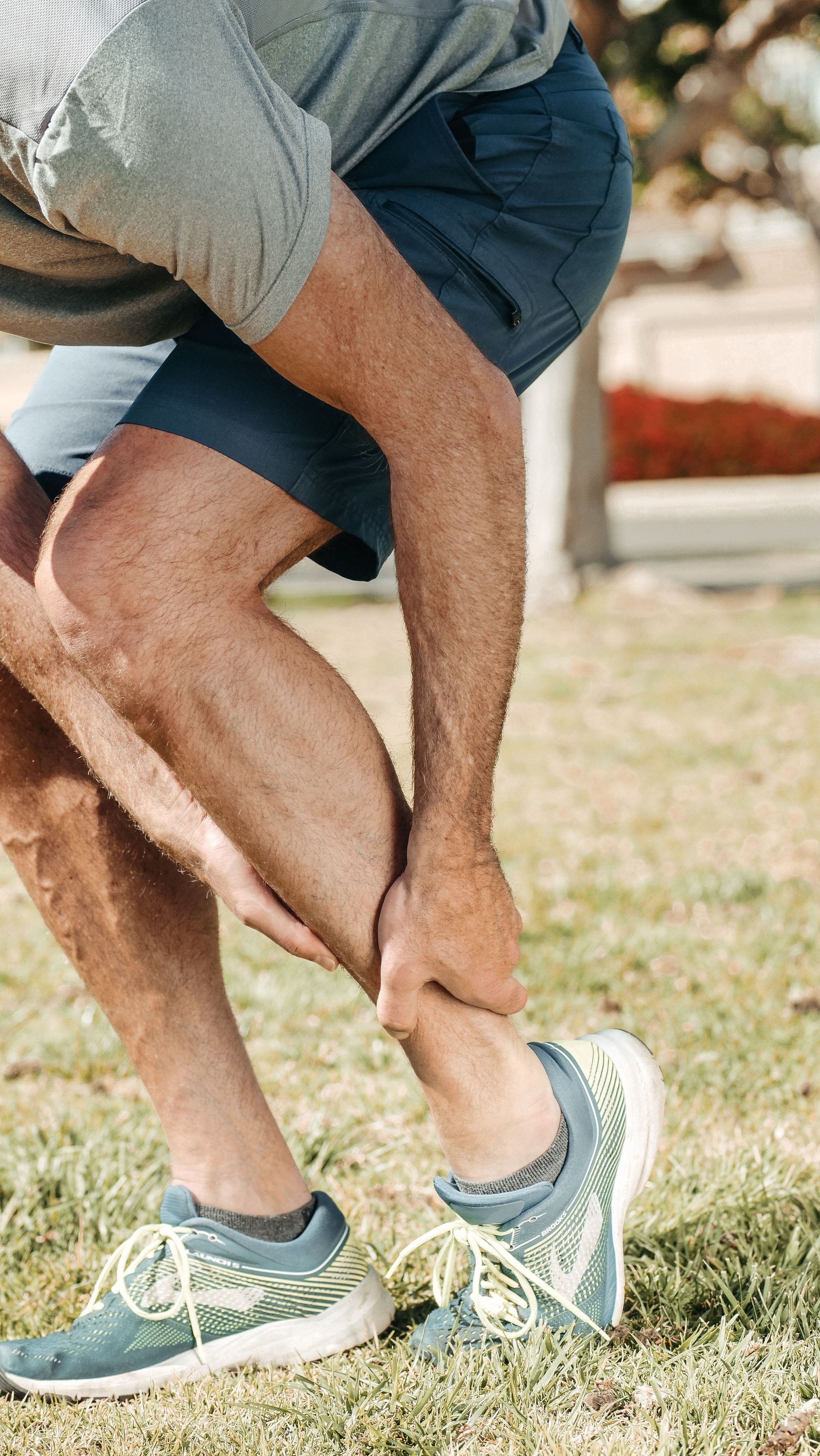
The classic presentation is a sharp or burning pain at the lower pole of the kneecap, reproduced by loading the knee — particularly during activities like jumping, landing, running downhill, or performing a squat. Pain is often worse after exercise rather than during it, and many patients notice stiffness first thing in the morning or after prolonged sitting.
Key point: Patellar tendinopathy is a degenerative condition, not simply inflammation. This is why anti-inflammatory medications and corticosteroid injections often provide only short-term relief — and why treatments that actively stimulate healing, like shockwave therapy, tend to produce more durable outcomes.
Who Gets Jumper's Knee?
Despite the name, jumper's knee is by no means confined to jumping athletes. Research puts the prevalence among elite volleyball players as high as 40 to 45%, and among basketball players at around 30% — but the condition also affects a much broader population. Runners, particularly those who have recently increased their mileage or started incorporating hill work, are a common presentation. So too are CrossFit athletes, cyclists, and people returning to exercise after a period of relative inactivity.
Non-athletic risk factors include occupations that involve prolonged standing or kneeling, and a rapid increase in any repetitive knee-loading activity. Age plays a role as well — tendons become less resilient with age, which is why patellar tendinopathy becomes more common from the mid-thirties onwards even without elite sporting involvement.
Why Other Treatments Sometimes Fall Short
The majority of patients who arrive at Hove Shockwave for patellar tendinopathy have already tried a combination of rest, physiotherapy, anti-inflammatories, and possibly a corticosteroid injection. Some will have seen partial improvement; many will have seen none at all.
The reason is largely biological. Chronic tendinopathy isn't an inflammatory condition in the classic sense — the tissue has entered a degenerative state where it simply isn't healing, regardless of how much rest you give it. Rest reduces pain temporarily, but it doesn't address the underlying structural problem. Anti-inflammatory medications have limited benefit for the same reason. Corticosteroid injections can reduce pain in the short term but have been shown in multiple studies to worsen tendon structure over time and increase the risk of rupture with repeated use.
What the patellar tendon actually needs — once it has become chronically degenerated — is a stimulus strong enough to restart the healing cascade: new blood vessel formation, growth factor release, and fresh collagen synthesis. This is precisely what shockwave therapy delivers.
How Shockwave Therapy Works for the Patellar Tendon
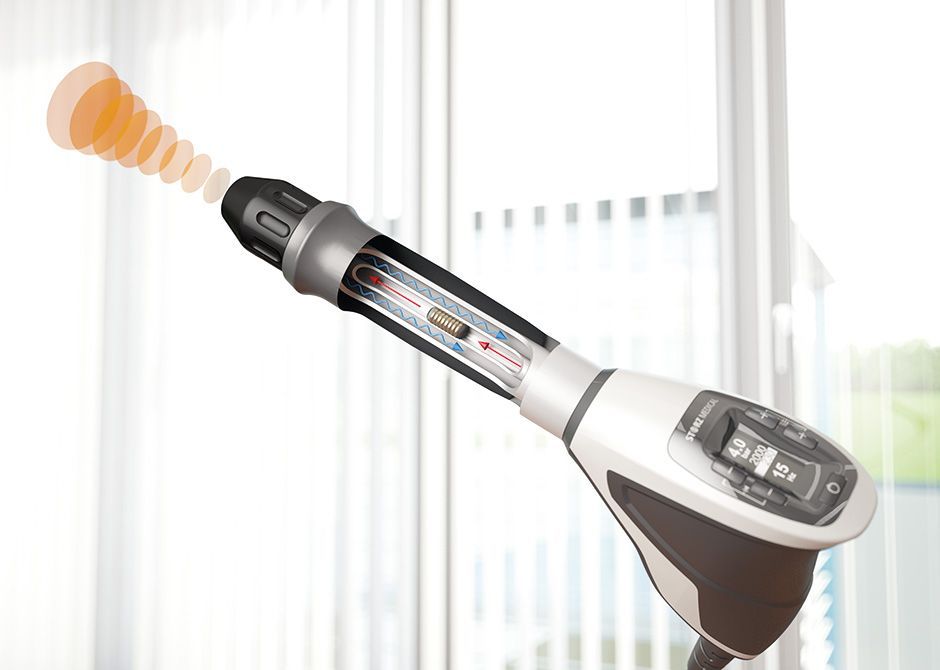
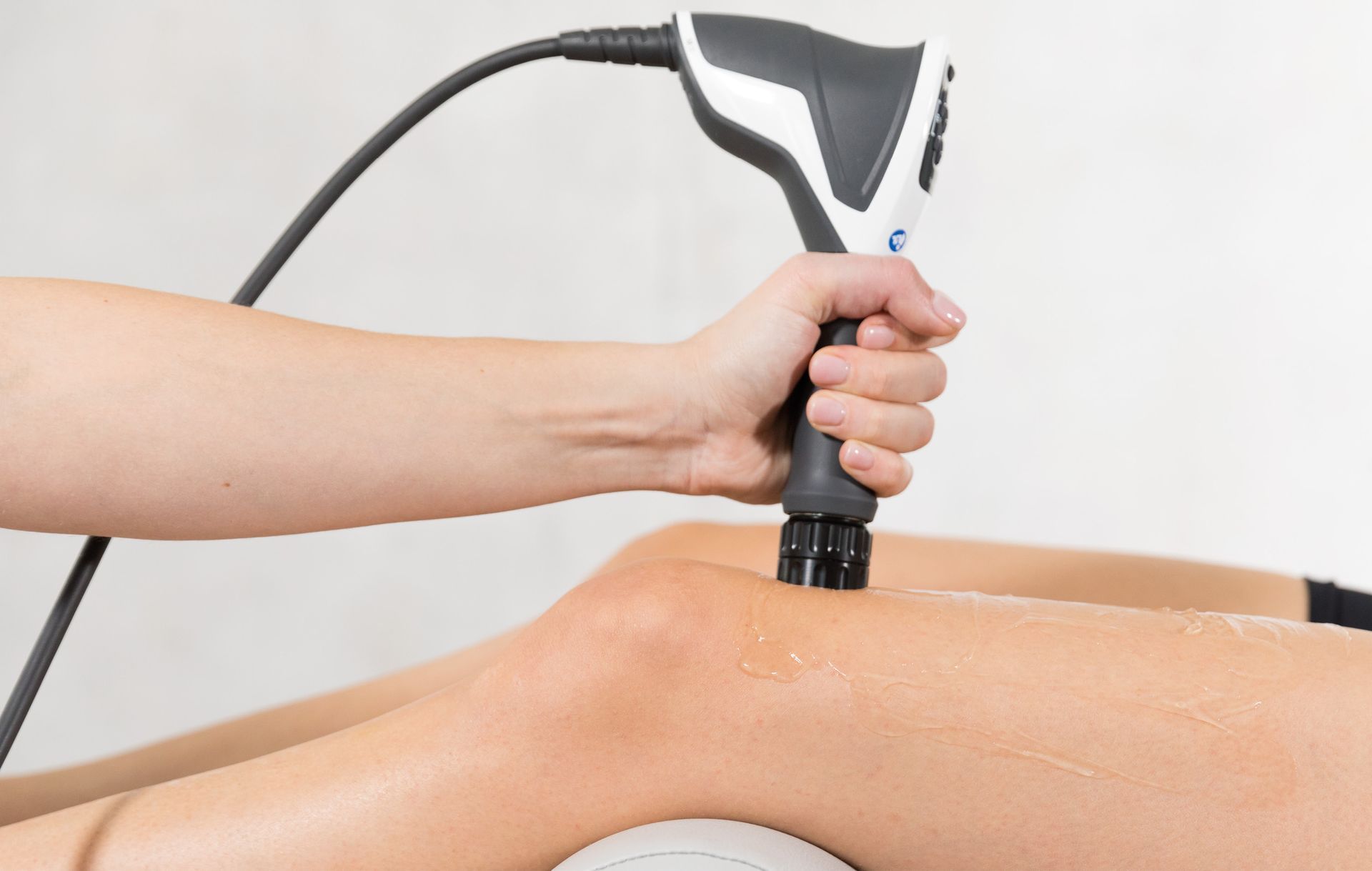
Extracorporeal shockwave therapy (ESWT) uses a handheld device to transmit focused acoustic waves through the skin into the damaged tendon. The energy from these waves creates a controlled mechanical stimulus within the tissue, triggering a cascade of biological repair responses.
At the cellular level, shockwave therapy increases local blood flow and promotes the release of growth factors including VEGF (vascular endothelial growth factor) and TGF-β1 (transforming growth factor beta-1), both of which are critical to tendon remodelling. It stimulates tenocyte activity — tenocytes are the cells responsible for producing collagen — and promotes the formation of new, organised collagen fibres to replace the disorganised degenerative tissue. It also temporarily desensitises the C-fibre nociceptors in the tendon, providing meaningful pain relief from the early stages of treatment.
What makes shockwave particularly well-suited to chronic tendinopathy is that it works by provoking healing rather than suppressing symptoms. The treatment essentially restarts a biological process that has stalled — which is why the results tend to be durable rather than temporary.
What the Evidence Shows
The evidence base for shockwave therapy in patellar tendinopathy has grown steadily over the past decade. A 2024 randomised controlled trial published in Knee Surgery, Sports Traumatology, Arthroscopy confirmed that shockwave therapy — particularly when combined with heavy slow resistance training — produces significant, sustained improvements in pain and function in athletes with chronic patellar tendinopathy. The combination approach consistently outperforms either treatment alone.
Current clinical guidelines, including those reviewed in a 2026 update in StatPearls, now recognise shockwave as a first-line non-surgical treatment for patellar tendinopathy that has failed to respond to conservative management over six months, alongside eccentric loading programmes and PRP. For patients who have already tried physiotherapy without resolution, the evidence strongly supports moving to shockwave rather than waiting further or proceeding directly to surgical intervention.
Evidence summary: Multiple randomised controlled trials support shockwave therapy as an effective, safe, non-surgical treatment for chronic patellar tendinopathy. It is most effective when delivered alongside a structured rehabilitation programme — which is why our treatment approach at Hove Shockwave always combines the two.
What to Expect at Hove Shockwave
Before any treatment begins, I carry out a thorough clinical assessment to confirm the diagnosis and rule out other causes of anterior knee pain — including patellofemoral syndrome, fat pad impingement, quadriceps tendinopathy, and referred pain from the hip or lumbar spine. We also have on-site X-ray facilities, which allows us to assess for any structural bony abnormality that might influence the treatment plan.
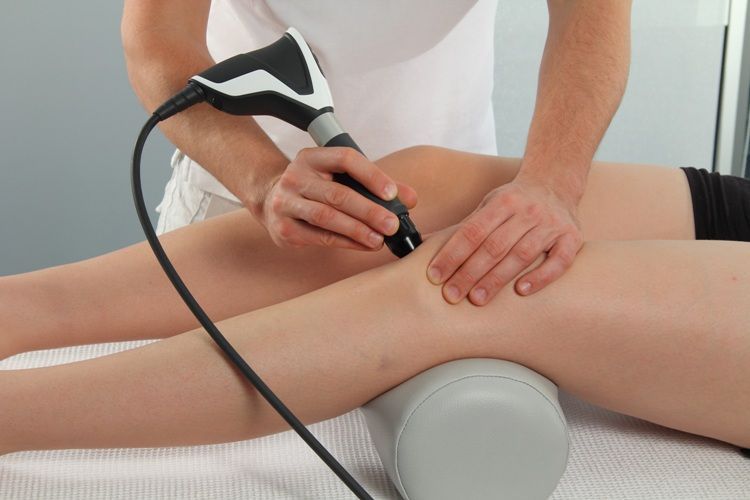
Once patellar tendinopathy is confirmed, treatment typically involves three to five shockwave sessions spaced approximately one week apart. Each session takes around fifteen to twenty minutes. Ultrasound gel is applied to the skin over the patellar tendon, and the shockwave handpiece is moved systematically over the tender area at the lower pole of the patella. Most patients describe the sensation as a deep tapping or pressure — it can be mildly uncomfortable, but the intensity is always adjusted to stay within a tolerable range.
Alongside the shockwave sessions, I provide a structured tendon loading programme. The research is clear that mechanical loading — done correctly — is essential to drive collagen synthesis and tendon remodelling. The programme is graduated and designed to keep you active during the treatment course, rather than requiring complete rest.
How Long Until I See Results?
Many patients notice a reduction in pain and improved function within two to three sessions. The full benefit of shockwave therapy continues to develop for several weeks after the final treatment, as the tissue remodelling process completes — so it's worth completing the full course even if improvement feels gradual early on.
Mild post-treatment soreness for 24 to 48 hours after each session is normal and expected. This is a sign that the tissue is responding. You can continue normal daily activities throughout the treatment course; we may ask you to reduce high-impact loading temporarily in the 24 hours immediately after each session.
Jumper's Knee vs Runner's Knee: Getting the Right Diagnosis
A number of patients come to the clinic having self-diagnosed from online research, and it's worth clarifying the distinction between the two most commonly confused knee conditions. Patellar tendinopathy (jumper's knee) causes pain at the lower pole of the kneecap — directly on the tendon itself — reproduced most strongly by activities like jumping and squatting. Patellofemoral pain syndrome (runner's knee) causes pain behind or around the kneecap, often worsened by running, stairs, and prolonged sitting with the knee bent.
Both conditions can benefit from shockwave therapy, but the treatment protocol differs. An accurate diagnosis at the outset ensures you receive the right treatment in the right location — which is why a clinical assessment always precedes treatment at Hove Shockwave.
Ready to get your knee assessed?
If you've had knee pain for more than three months and previous treatments haven't resolved it, shockwave therapy may be the answer. We can typically see you within a few days of booking.
Frequently Asked Questions
What is jumper's knee?
Jumper's knee is the common name for patellar tendinopathy — a degenerative condition of the patellar tendon, which runs from the bottom of the kneecap to the top of the shinbone. It causes pain directly below the kneecap, particularly during or after activity. Despite the name, it affects runners, cyclists, and gym-goers as well as jumping athletes.
How does shockwave therapy treat patellar tendinopathy?
Shockwave therapy delivers focused acoustic waves into the degenerated tendon tissue. This stimulates blood flow, activates growth factors, and prompts the body to lay down healthy new collagen — essentially restarting a healing process that has stalled. It also provides pain relief by temporarily desensitising the nerve endings within the tendon.
How many shockwave sessions will I need for jumper's knee?
Most patients see significant improvement over three to five sessions, spaced approximately one week apart. We combine shockwave with a structured loading programme to maximise tendon remodelling and reduce the risk of the problem returning.
Can I keep training during shockwave treatment?
In most cases, yes — with modification. One of the practical advantages of shockwave therapy is that it doesn't require complete rest. We provide load management guidance during the treatment course so you can stay active while the tendon heals.
Is jumper's knee the same as runner's knee?
No — these are different conditions. Jumper's knee (patellar tendinopathy) involves the patellar tendon below the kneecap. Runner's knee (patellofemoral pain syndrome) refers to pain around or behind the kneecap itself. Both can respond well to shockwave therapy; a clinical assessment will confirm the correct diagnosis and the appropriate treatment approach.
How quickly can I book an appointment at Hove Shockwave?
We typically have appointments available within a few days. You can book online through our Jane App booking system or call the clinic directly on 01273 324466.
