Hove Shockwave Blog



Plantar Fasciitis Treatment in Brighton & Hove: How Shockwave Therapy Can End Your Heel Pain
By Dr Lewis Kingsnorth DC MChiro — Certified Shockwave Specialist at Hove Shockwave
Published: April 2026 | 7 minute read
If you've ever experienced that sharp, stabbing pain under your heel when you take your first steps in the morning, you're likely dealing with plantar fasciitis. It's one of the most common causes of heel pain, affecting roughly 1 in 10 people at some point in their lives, and it can turn simple activities like walking to the shops or taking the dog out along Hove seafront into a painful ordeal.
The good news is that plantar fasciitis doesn't have to be something you just "live with." At Hove Shockwave, we use extracorporeal shockwave therapy (ESWT) — a clinically proven, non-invasive treatment that's recommended by NICE and used across the NHS — to help patients in Brighton and Hove get back on their feet, often after other treatments have failed.
What Exactly Is Plantar Fasciitis?
The plantar fascia is a thick band of connective tissue running along the underside of your foot, connecting your heel bone to your toes. It acts as a natural shock absorber and supports the arch of your foot every time you take a step.
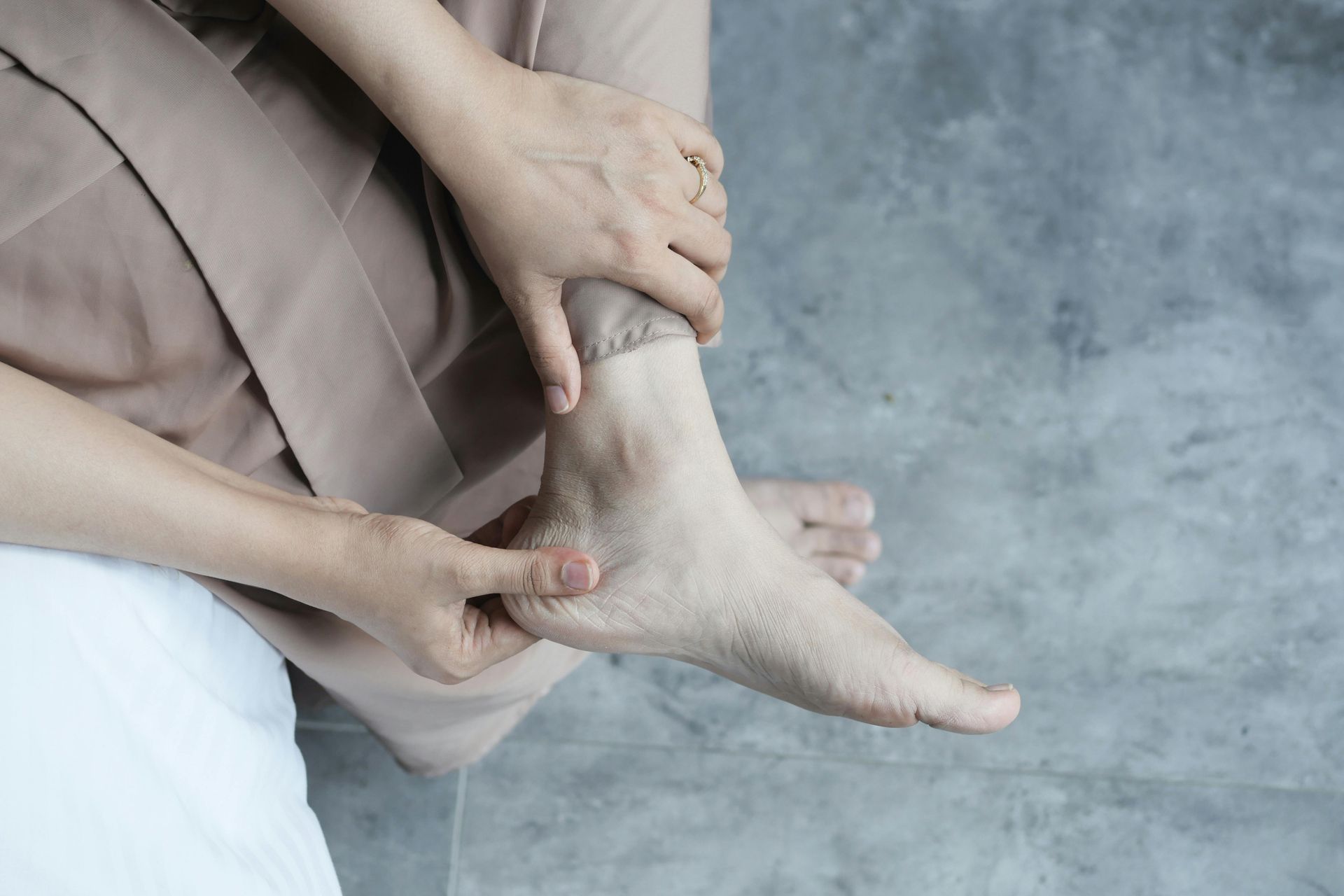
When this tissue becomes overloaded — through repetitive strain, prolonged standing, changes in activity, or simply wear and tear — it can develop micro-tears and become inflamed. This is plantar fasciitis, and it typically presents as pain concentrated around the inner edge of the heel, worst first thing in the morning and after periods of rest.
Common risk factors include spending long hours on your feet at work, wearing unsupportive footwear, recent increases in exercise (particularly running), carrying excess body weight, and reduced ankle flexibility. It's seen frequently in both active individuals and those with more sedentary lifestyles.
Why Does Plantar Fasciitis Become Chronic?
Many people find that their heel pain persists for months, sometimes years, despite trying rest, stretching, insoles, and anti-inflammatory medication. This happens because the plantar fascia has a relatively poor blood supply, which means the body's natural healing process can stall. Over time, the condition shifts from acute inflammation to a chronic degenerative state — the tissue isn't actively inflamed so much as it has simply stopped healing properly.
This is precisely where shockwave therapy excels. It's most effective when pain has become chronic — typically lasting three months or longer — and other conservative treatments have not resolved the problem.
How Shockwave Therapy Treats Plantar Fasciitis
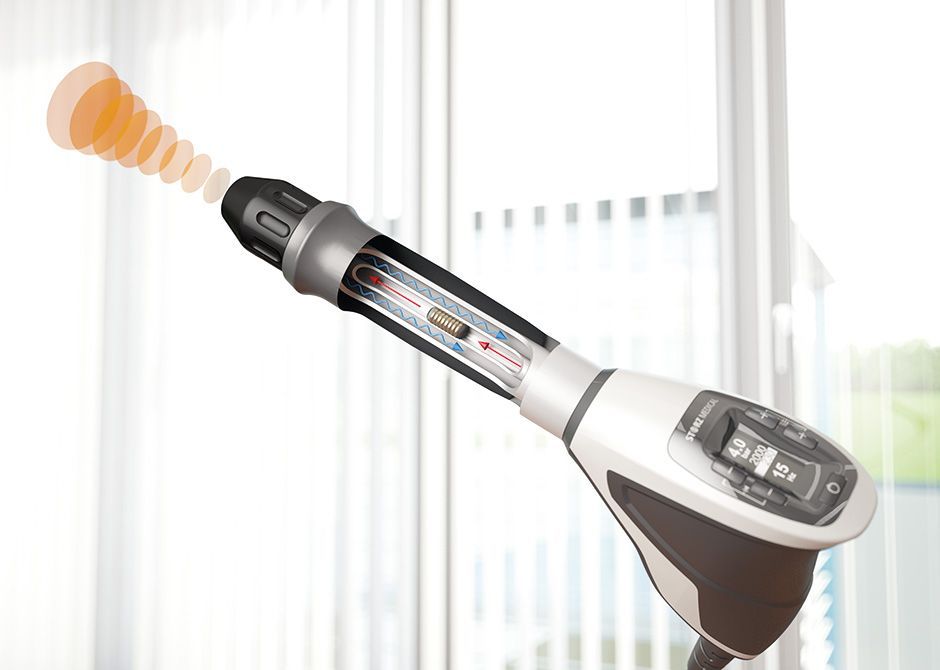
Shockwave therapy works by delivering focused acoustic (sound) waves into the damaged tissue. These waves create controlled micro-trauma at the cellular level, which triggers several important healing responses in the body.
First, it stimulates increased blood flow to the affected area, bringing the oxygen and nutrients needed for tissue repair. Second, it promotes the release of growth factors and activates stem cells, encouraging the formation of healthy new tissue. Third, it helps to break down calcified deposits and scar tissue that may have built up around the plantar fascia. Finally, it provides a direct analgesic (pain-relieving) effect by overstimulating nerve endings and reducing the transmission of pain signals.
Put simply, shockwave therapy takes a tissue that has become "stuck" in a chronic state and restarts the healing process, moving it back into an active repair phase.
Key point: A 2024 meta-analysis published in Foot and Ankle Surgery reviewed 15 randomised controlled trials involving over 1,100 patients and found that shockwave therapy performed significantly better than placebo for plantar fasciitis pain, and showed comparable or superior results to other conservative treatments including injections.
What to Expect During Treatment at Hove Shockwave
Your first appointment at our Hove clinic lasts approximately 30 minutes. Dr Lewis Kingsnorth will begin with a thorough assessment of your foot, including a review of your medical history, a physical examination of the affected area, and, where appropriate, an X-ray using our on-site digital imaging facilities to rule out structural issues such as fractures or significant heel spurs.
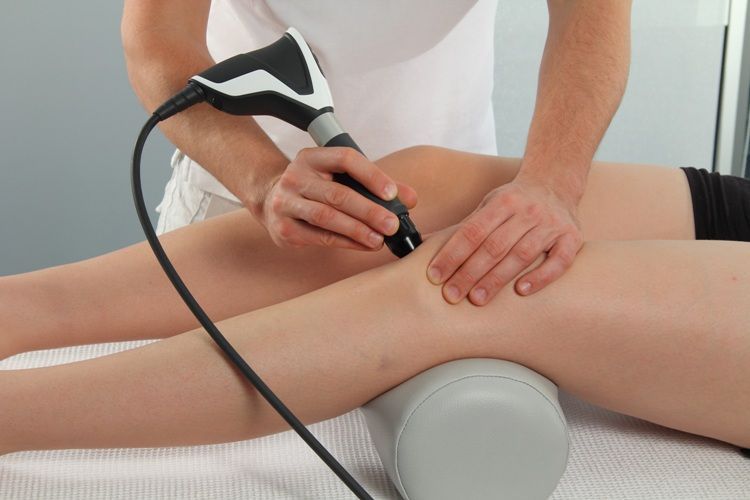
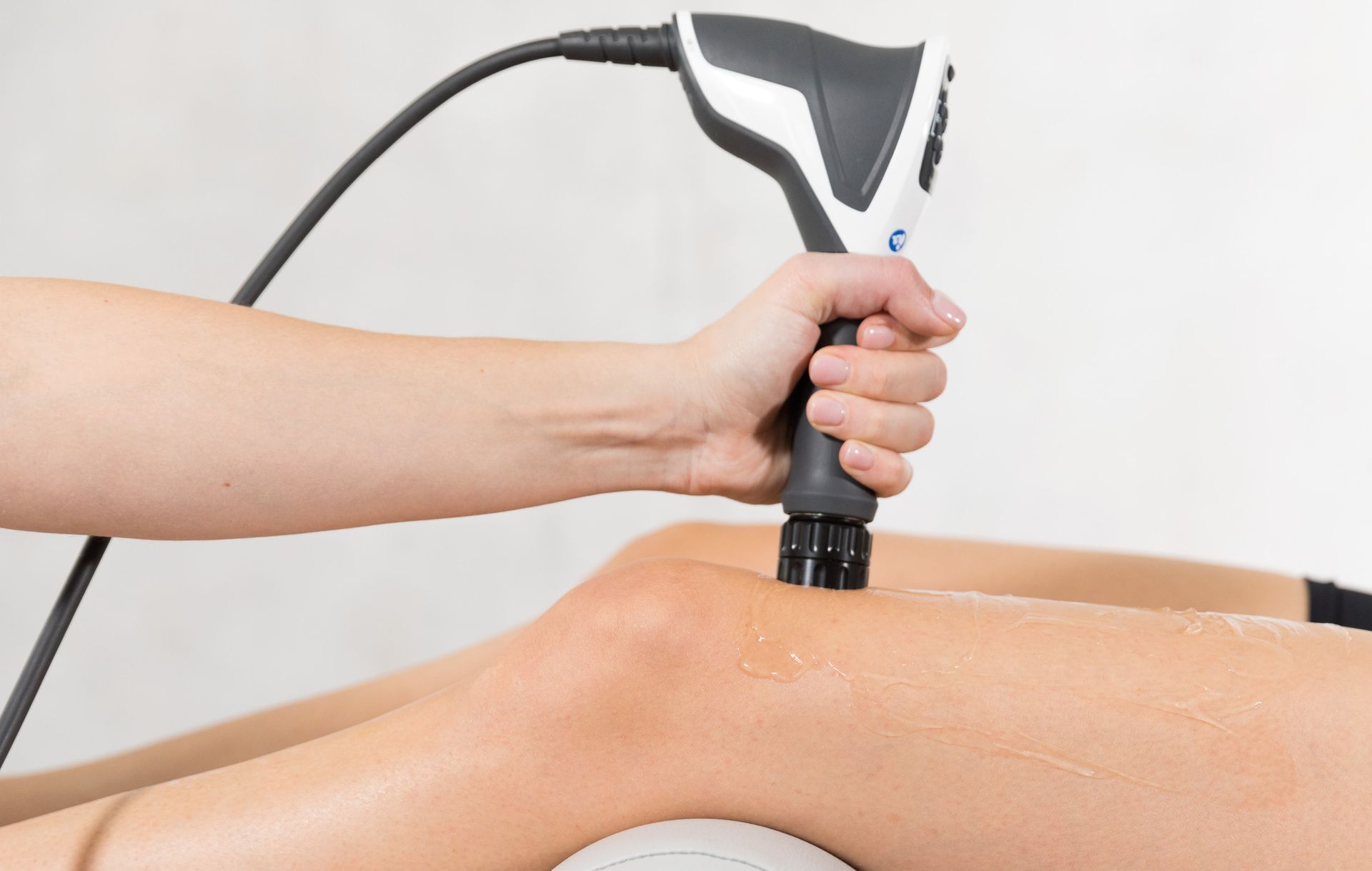
Once we've confirmed that shockwave therapy is appropriate for you, treatment can begin the same day. A coupling gel is applied to the heel and a handheld device delivers precise shockwaves to the target area. Each session lasts around 15 to 20 minutes. You may feel some discomfort during the procedure — most patients describe it as a tapping or pulsing sensation — but the intensity is adjusted throughout to ensure it remains tolerable.
Most patients require between four and six sessions, typically spaced one week apart, to achieve lasting improvement. Many people notice a reduction in their morning heel pain within the first two to three sessions, with continued improvement over the following weeks as the tissue repairs itself.
Shockwave vs. Other Treatments for Plantar Fasciitis
You may be wondering how shockwave compares to the other options available. Here's a practical overview based on current clinical evidence and our experience treating patients here in Brighton and Hove.
Injections
Injections can provide rapid short-term relief, but the effect often wears off within a few weeks to months, and repeated injections carry a risk of weakening or rupturing the plantar fascia. Recent research has shown that shockwave therapy tends to provide superior long-term outcomes compared to injections, with a lower risk of recurrence.
Orthotics and Insoles
Custom orthotics can be helpful for managing biomechanical contributors to plantar fasciitis, and we often recommend them as part of a comprehensive treatment plan. However, on their own, they address the symptom rather than the underlying tissue damage.
Surgery
Surgical release of the plantar fascia is typically only considered after 6 to 12 months of failed conservative treatment. It carries risks including infection, nerve damage, and changes to foot biomechanics. Shockwave therapy offers an effective non-surgical alternative that should be tried before considering an operation.
Rest And Stretching Alone
While stretching the calf and plantar fascia is beneficial and we encourage it alongside shockwave treatment, rest and stretching alone are often insufficient for chronic cases where the tissue has entered a degenerative cycle.
Who Is Shockwave Suitable For?
Shockwave therapy is suitable for most adults experiencing plantar fasciitis that hasn't responded adequately to first-line treatments such as rest, stretching, ice, and appropriate footwear. It's particularly effective for patients who have had symptoms for three months or more.
There are a small number of contraindications. We would not recommend shockwave therapy if you are pregnant, if you have a blood clotting disorder or are taking anticoagulant medication (other than aspirin), or if there is a tumour or active infection in the treatment area. Dr Kingsnorth will discuss your suitability during your initial consultation.
Why Choose Hove Shockwave for Your Plantar Fasciitis Treatment?
At Hove Shockwave, we're not a general physiotherapy practice that happens to have a shockwave machine. Shockwave therapy is our specialism. Dr Lewis Kingsnorth is a certified shockwave therapist with years of experience treating musculoskeletal conditions, and we use professional-grade focused and radial shockwave equipment — the same technology used in leading NHS hospitals and professional sports medicine.
We also have digital X-ray facilities on site, which means we can carry out imaging as part of your assessment without referring you elsewhere. This allows for a faster, more accurate diagnosis and means your treatment can often begin on the same day as your first visit.
Our clinic is conveniently located at 82 Goldstone Villas in Hove, easily accessible from Brighton, Portslade, Shoreham, and across East and West Sussex. We accept Vitality and AXA health insurance.
Frequently Asked Questions
How many shockwave sessions do I need for plantar fasciitis?
Most patients require four to six weekly sessions. Some people experience significant improvement after just two or three treatments, while more longstanding cases may need additional sessions.
Does shockwave therapy for plantar fasciitis hurt?
You'll feel a tapping or pulsing sensation during treatment. It can be mildly uncomfortable but is well tolerated by the vast majority of patients. The intensity is always adjusted to your comfort level.
How quickly will I see results?
Many patients notice improvement in their morning heel pain within the first two to three weeks. Full results continue to develop over six to twelve weeks as the tissue heals and strengthens.
Is shockwave therapy available on the NHS?
Shockwave therapy is recommended in NICE guidelines and used in some NHS settings, but waiting times can be lengthy. At Hove Shockwave, you can typically be seen within a few days of booking.
Can I walk after shockwave treatment?
Yes, you can walk immediately after treatment and return to normal activities. We may advise avoiding high-impact exercise for 24 to 48 hours after each session.
Ready to Fix Your Heel Pain?
Don't let plantar fasciitis hold you back any longer. Book your initial assessment with Dr Kingsnorth today.
Or call us on 01273 324466
